

In healthcare, schedules aren’t just about hours and shifts—they’re about lives. A missed shift, a last-minute call-out, or an overloaded nurse isn’t just an inconvenience; it can ripple across an entire facility, affecting patient safety, regulatory compliance, and staff well-being. The stakes are high, and the complexity of workforce scheduling in healthcare makes it one of the most demanding tasks administrators face.
The good news? With the right strategies and tools, healthcare organizations can cut through the chaos. Below, we explore the most common healthcare scheduling challenges—and how to overcome them.
The High-Stakes World of Healthcare Scheduling Challenges
Unlike many industries, healthcare operates 24/7. Whether it’s a small clinic, a regional hospital, or a long-term care facility, coverage gaps are unacceptable. Staff shortages, sudden surges in patient volume, and the requirement for specialized credentials make scheduling a constantly shifting puzzle.
A single missed shift can lead to longer emergency room wait times, overworked ICU nurses, and compliance issues when qualified staff aren’t available. Seasonal fluctuations only add to the challenge, as patient volumes rise and fall unpredictably, putting extra pressure on already stretched healthcare teams.
That’s why scheduling in healthcare isn’t just a matter of “filling slots”—it’s about ensuring that patients receive safe, timely care while staff remain healthy and effective.
Challenge 1: Staffing Shortages and Burnout
Nursing shortages and clinician burnout dominate industry concerns — and rightly so. A AHRQ report details how understaffing is linked with poorer patient outcomes, increased nurse stress, and burnout.
In parallel, a PSNet article describes rising risks tied to low nurse staffing: missed care, delays, and worse outcomes, including mortality.
Solution: Smarter scheduling systems can help distribute work more equitably, honor staff shift preferences, and allow safe shift-swapping. A good scheduling module (such as eSchedule’s Scheduling Module) can reduce overload, help manage fatigue, and reduce turnover.
Challenge 2: Last-Minute Callouts
Unplanned leave—due to illness, emergencies, or personal crises—is part of healthcare reality. In traditional, manual systems, last-minute gaps are often filled via frantic calls or manual patchwork, increasing the risk of uneven workloads or unsafe staffing
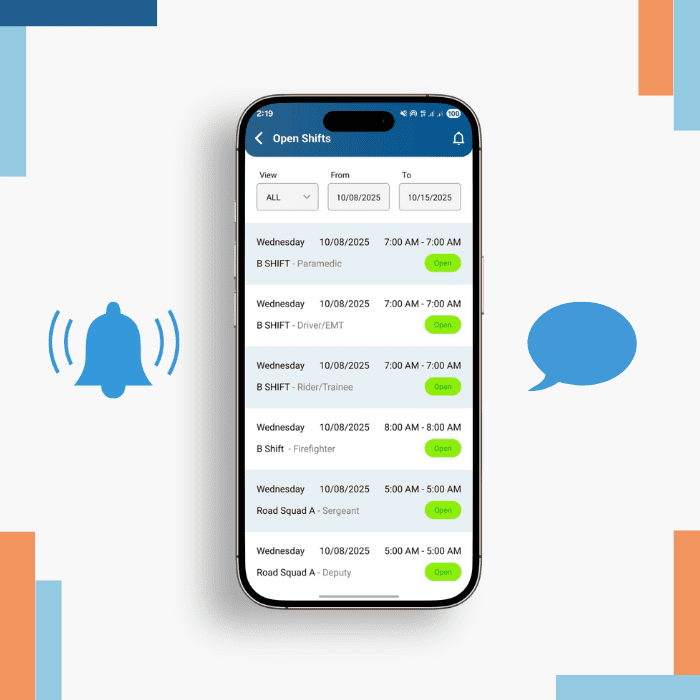
Solution: An automated scheduling platform can help by broadcasting open shifts to qualified staff, enabling shift bidding, and sending real-time alerts. This cuts down on scramble time and helps maintain coverage consistency.
Challenge 3: Compliance and Credential Tracking
In healthcare, staff must not only be present—but they must also be qualified. A respiratory therapist whose certification has lapsed or who lacks a required credential cannot lawfully or safely be assigned certain tasks.
By integrating credential management with scheduling, systems can auto-enforce constraints. This means expired licenses or missing qualifications trigger flags long before shift assignments, reducing risk of audits or liability. If you’d like a deeper dive, you can explore the eSchedule timekeeping page for ideas on how timekeeping and credentials can interoperate.
Challenge 4: Managing Multiple Departments and Facilities
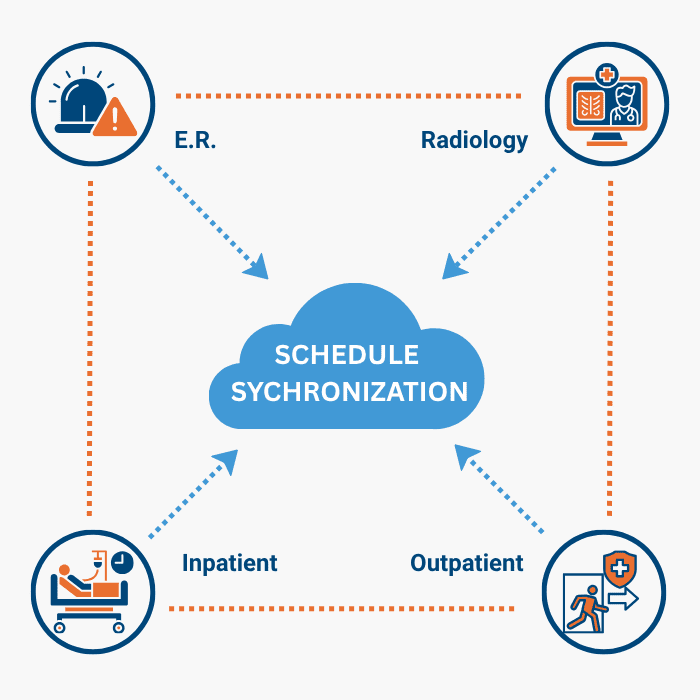
Large health systems span many specialties (emergency, radiology, inpatient, outpatient) and often multiple geographic sites. Staff may need to float across units or facilities, which amplifies scheduling complexity.
Solution: Use a centralized, cloud-based scheduling system that presents both macro-level visibility (for system-wide staffing) and micro-level control (for each specialty’s rules). Staff and managers can view schedules, approve swaps, or request changes remotely, reducing miscommunications and double-bookings.
Challenge 5: Patient Volume Fluctuations
Patient demand can change quickly due to seasonal illness or sudden public health events. A fixed schedule might leave some shifts short and others overstaffed.
Solution: Dynamic scheduling helps managers stay flexible by using real-time data to adjust shifts as needs change. It reduces burnout, controls overtime, and ensures every shift has the right coverage. Studies also show that predictive tools—like machine learning models for emergency department forecasting—can help healthcare teams plan ahead and respond before staffing issues arise.
The Human Side of Scheduling
Scheduling isn’t just logistics—it’s messaging. How scheduling is designed and managed deeply affects morale, engagement, and retention.
When staff feel heard—when their preferences, off-days, constraints, and life obligations are honored—they’re likelier to trust leadership, feel empowered, and avoid burnout.
Healthcare leaders increasingly view scheduling as a recruitment and retention tool. Transparent, fair, flexible scheduling says: “We value your life outside work.”
A nurse who can swap shifts easily is less stressed. A manager who publishes the schedule weeks in advance helps staff plan. These small enhancements compound into safer care, lower turnover, and stronger institutional culture.
Where Technology Meets Compassion
It’s tempting to treat scheduling as mere administration. But in healthcare, it can be a lifeline. A schedule determines whether critical units are staffed, whether patients wait, or whether staff run themselves ragged.
By adopting modern, empathetic scheduling systems that combine automation, fairness, predictive insight, and user-centric design, healthcare organizations do more than solve logistics. They build safer, healthier workplaces that respect people and patients alike.
Conclusion: A Smarter Path Forward
Yes, healthcare scheduling challenges are complex—but they’re not insurmountable. With the right balance of data, empathy, and technology, every obstacle—from burnout to credential risk—can be addressed.
With tools like eSchedule, healthcare leaders can move from reactive scheduling chaos to proactive, strategic workforce management. The result: fewer gaps, stronger teams, and safer care for the communities they serve.
