
The Power of Predictability in a Demanding Profession
For first responders, unpredictability is part of the job — not the schedule. Emergencies don’t clock in or out, and that means the people who respond to them often operate on rotating shifts, overtime, and last-minute call-ins. While this comes with the territory, it can also take a toll on mental health, sleep, and family life.
But what if the schedule didn’t have to be unpredictable too?
Predictable scheduling can’t change the nature of emergency work, but it can create structure where chaos often reigns. With the right tools and processes in place, agencies can give their teams a sense of balance, control, and stability — all crucial components for long-term mental wellness.
The Unseen Strain of Unpredictable Schedules
Firefighters, EMTs, police officers, and dispatchers are used to running toward uncertainty. However, that uncertainty shouldn’t extend into when they’re working or when they’ll next get to rest.
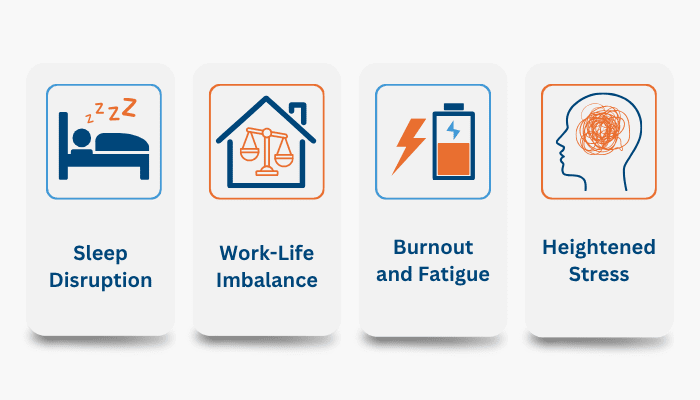
Unpredictable or last-minute scheduling often leads to:
- Sleep disruption: Constantly changing shifts and unexpected overtime make it difficult to maintain a healthy sleep pattern. The disruption of circadian rhythm among shift workers is well documented (for example, see this fact-sheet on shiftwork and health).
- Work-life imbalance: Missed family events or personal time due to sudden shift changes erode morale.
- Burnout and fatigue: When rest is uncertain, recovery never really happens. Research in public-safety contexts links long shifts and poor scheduling to reduced mental well-being . See this scoping review on working hours, sleep, and fatigue in the public safety sector.
- Heightened stress: Not knowing what’s coming next — even in scheduling — keeps the body in “fight or flight” mode longer than it should. A scoping review in emergency medical services found that variable shift patterns were linked to higher levels of fatigue and mental-health concerns among responders.
Why Predictability Matters
Predictability in scheduling doesn’t mean rigidity. It means transparency, fairness, and foresight. It’s knowing when you’ll work, when you’ll rest, and having enough notice to plan your life outside the uniform.
Here’s how predictable scheduling supports mental health across first-responder agencies:
1. Improved Sleep and Recovery
Consistent scheduling helps regulate circadian rhythms, making it easier to get restorative sleep. When responders know their shift patterns in advance — and can rely on them — they can establish better rest habits, which directly affect mood, decision-making, and emotional resilience.
2. Reduced Anxiety and Stress
When schedules are stable and clearly communicated, responders don’t have to constantly check their phones or wonder if they’ll be called in last minute. Less uncertainty means less chronic stress.
3. Better Family and Social Connections
Being able to plan personal time in advance helps responders reconnect with what keeps them grounded — their families, friends, and hobbies. Predictable scheduling supports not just mental health, but relationships, which are a critical protective factor against burnout.
4. Fairness and Morale
Transparent scheduling systems show fairness in shift assignments, vacation approvals, and overtime distribution. When teams feel schedules are managed objectively, it reduces tension and fosters trust in leadership.
5. Long-Term Retention and Resilience
Departments that prioritize structured scheduling tend to see lower turnover and higher morale. A study of a police department’s shift-schedule redesign found that introducing more free days and consistent weekends off improved work-ability and self-rated health. In a field where retention is an ongoing challenge, mental-well-being and predictability go hand in hand.
From Chaos to Control: How Technology Helps
Building predictable schedules by hand is nearly impossible in 24/7 operations with rotating shifts. Digital scheduling tools bring structure to that chaos — supporting both efficiency and mental well-being.
Automated Scheduling:
Smart scheduling systems simplify creating balanced, repeatable shift patterns and reduce last-minute changes — a common source of stress. Learn more about automated scheduling.
Real-Time Communication:
Instant updates keep teams informed and eliminate uncertainty that disrupts rest and recovery.
Availability & Time-Off Requests:
When staff can manage their own schedules, they gain control and balance between work and personal life.
Fatigue and Hours Tracking:
Accurate timekeeping ensures fair rest periods and helps prevent burnout. Explore time and fatigue tracking.
Technology that supports transparency and consistency doesn’t just improve operations — it strengthens mental health and fosters trust within the team.
From Chaos to Calm: What a More Predictable Schedule Can Look Like
Imagine a fire department managing rotating shifts, mutual aid coverage, and frequent overtime — a familiar story for many public safety teams. In these environments, even small scheduling improvements can make a big difference.
When shift assignments are automated and communicated in advance, staff no longer need to rely on last-minute texts or paper rosters. Fewer surprises mean fewer missed calls, smoother handoffs, and less fatigue. Over time, teams begin to notice the ripple effects — better morale, stronger focus on the job, and a greater sense of control over their personal time.
Predictable scheduling can’t remove the inherent unpredictability of emergency response, but it can create a foundation of stability that helps responders show up rested, ready, and resilient.
Creating a Culture That Values Well-Being
Predictable scheduling is more than an administrative decision — it’s a statement of care. It tells your team their time matters, their health matters, and their families matter.
When leaders prioritise scheduling transparency and consistency, they’re also prioritising retention, readiness, and respect. That’s the foundation of a resilient workforce — one that can serve their communities with focus, confidence, and heart.
The Bottom Line
First responders can’t predict every call that comes their way, but they should be able to predict when they’ll work and rest. By implementing predictable scheduling practices supported by tools like eSchedule, agencies can make a measurable difference in mental health, performance, and overall quality of life for their teams.
Because when the people who protect others are cared for, everyone benefits.
